 彩縁舎
彩縁舎Uncategorized
Casino Table Inventory Management with RFID Technology
Casino chip inventory management is one of the most resource-intensive operational functions in gaming facilities. A mid-sized casino maintains between $5 million and $15 million in active chip inventory across the floor, cage, count room, and off-site storage. Tracking this inventory manually — through physical counts, paper logs, and periodic audits — consumes hundreds of staff hours per month and leaves significant gaps in accountability. RFID technology transforms this process from a labor-intensive manual task into a real-time, automated system that provides continuous visibility into every chip’s location and status.
The Scale of Chip Inventory Management
To understand the impact of RFID, consider the inventory scope at a typical integrated resort. A property with 100 table games operates with an active chip pool of 800,000 to 1.2 million individual chips RFID Baccarat Table. These chips are distributed across:
– Table trays (approximately 15,000-20,000 chips in active play)
– Cage inventory (200,000-400,000 chips available for buy-ins and exchanges)
– Count room reserves (300,000-500,000 chips in various denominations)
– Off-site storage (200,000-400,000 chips for future expansion or replenishment)
Every day, tens of thousands of chips move between these locations. A single shift change at a high-limit baccarat table can involve $500,000 in chip transfers. Without RFID, each transfer requires a manual count, a written record, and dual verification by two staff members. Even with these controls, discrepancies occur regularly, and resolving them requires time-consuming recounts and investigations.
How RFID Enables Real-Time Inventory Visibility
RFID chip tracking creates a continuous, automated inventory system. Every chip carries a unique RFID tag that identifies its denomination, series, and status. Fixed RFID readers at strategic locations — cage windows, count room portals, and table tray sensors — read chips as they move, updating the inventory database in real time.
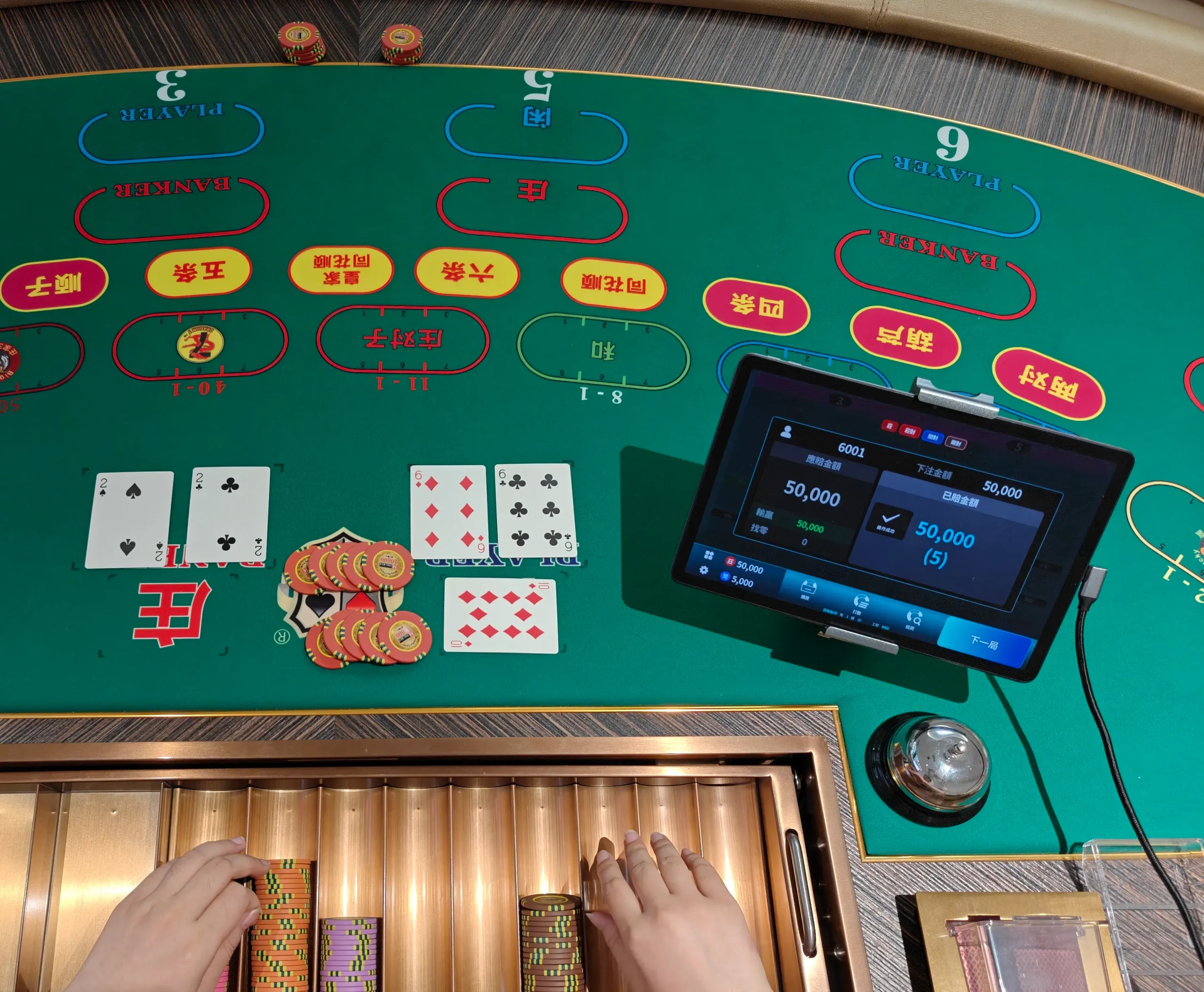
The inventory management system maintains a live database of every chip’s last known location. When a chip moves from a table tray to a dealer’s hand, the system logs the movement. When the dealer delivers the chip to the cage, the cage portal reader confirms the transfer. The result is a complete chain of custody for every chip in the casino’s inventory.
This visibility eliminates the blind spots that plague manual inventory systems. A pit manager can pull up a dashboard showing exactly how many $100 chips are currently at each table, how many are in the cage, and how many are in transit. If a discrepancy appears — such as a table reporting 150 $100 chips but the system showing only 140 — the manager can investigate immediately rather than discovering the problem during the nightly count.
Zone-Based Inventory Tracking
RFID inventory systems use a zone-based architecture. The casino floor is divided into logical zones, each with one or more RFID readers. A zone might be a single table, a cage window, a count room portal, or a storage vault. When a chip enters a zone, the reader logs its arrival. When it leaves, the system records the departure.
Zone transitions are tracked with timestamps, creating a movement history for each chip. This history serves multiple purposes:
– **Audit trail:** Investigators can trace a chip’s movements backward to identify when and where a discrepancy occurred.
– **Operational analytics:** The system can identify bottlenecks in chip flow, such as cage windows that are slow to process transfers or count room portals that are underutilized.
– **Loss prevention:** If a chip leaves a zone without a corresponding entry into another zone, the system flags it as potentially missing or stolen.
The granularity of zone tracking can be configured based on operational needs. A high-limit area might track chips at the individual table level, while a mass-market area might aggregate tracking at the pit level. The system supports both approaches simultaneously.
Automated Reordering and Inventory Optimization
RFID inventory data enables sophisticated inventory optimization that was previously impossible. The system can predict chip demand based on historical patterns, current table utilization, and upcoming events. When inventory levels for a specific denomination fall below a configurable threshold, the system generates an automated reorder recommendation.
Consider a casino preparing for a major boxing weekend. Historical data shows that $100 chip demand increases by 40% during fight weekends, and $500 chip demand doubles. The inventory system can pre-position additional chips in the cage and at high-demand tables before the event begins, ensuring smooth operations without last-minute scrambling.
The system also identifies slow-moving inventory. Chips in rarely used denominations — such as $2 chips in a property that primarily uses $5 minimums — can be identified and either retired or repurposed. This reduces the total inventory carrying cost and simplifies cage operations.
Count Room Efficiency
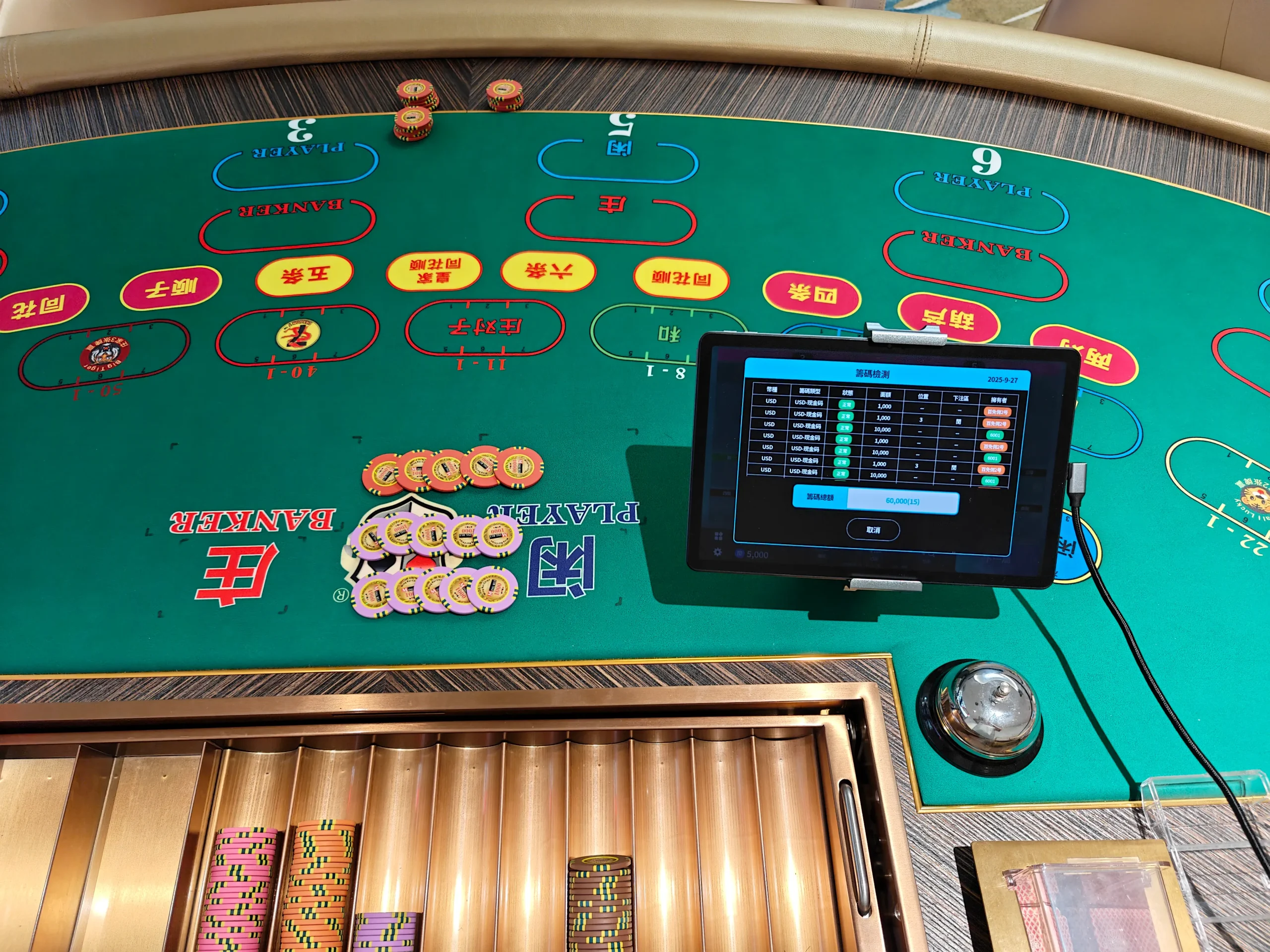
The count room is one of the largest beneficiaries of RFID inventory management. Traditional chip counting involves sorting chips by denomination, counting each stack manually, and recording the totals on paper logs. A single count room session for a 100-table casino can take 4-6 hours and require 8-12 staff members.
RFID-enabled count rooms use automated chip counters that read tags as chips pass through a hopper or conveyor. A single automated counter can process 3,000-5,000 chips per minute with 99.99% accuracy, compared to 200-300 chips per minute for manual counting. The time savings are substantial: what previously required a team of 10 people working 5 hours can now be completed by 2 people in 90 minutes.
The automated counters also eliminate human error. Manual counting is subject to fatigue, distraction, and simple mistakes — especially during overnight shifts when count room staff are working at reduced alertness. RFID counters do not fatigue and do not make arithmetic errors.
Integration with Cage Operations
The cage is the primary interface between chip inventory and cash flow. RFID integration streamlines cage operations in several ways.
**Buy-in processing.** When a player buys in at a cage window, the RFID reader at the window reads the chips being issued, automatically deducting them from cage inventory and adding them to the player’s active chip balance. This eliminates manual counting and reduces buy-in time from 2-3 minutes to under 30 seconds.
**Chip exchanges.** Players frequently exchange chips of one denomination for another. The RFID system reads both the incoming and outgoing chips simultaneously, ensuring that the exchange is balanced and updating inventory in real time. The system also checks for counterfeit or unrecognized chips during the exchange, providing an additional security layer.
**End-of-shift procedures.** At shift end, cage staff must reconcile the chips on hand against the cage’s recorded inventory. RFID-enabled cage drawers provide real-time inventory counts, eliminating the need for manual counts. The reconciliation process, which previously took 30-45 minutes per cage window, now takes under 5 minutes.
Inventory Auditing and Compliance
Regulatory compliance requires casinos to maintain accurate, auditable records of chip inventory. RFID systems generate these records automatically, producing detailed audit trails that satisfy regulatory requirements in all major gaming jurisdictions.
The audit trail includes:
– Every chip movement with timestamp, location, and responsible staff member
– All inventory adjustments with reason codes and approval workflows
– Periodic inventory snapshots that can be compared against physical counts
– Exception reports highlighting discrepancies for investigation
When regulators conduct inventory audits, the RFID system can produce the required documentation in minutes rather than the hours or days required for manual record compilation. This reduces the operational disruption of audits and demonstrates a proactive approach to compliance that regulators view favorably.
Implementation Considerations
Deploying RFID inventory management requires careful planning. The casino must encode all existing chips with RFID tags — a process that can take 2-4 weeks for a property with 1 million chips. During this period, the casino operates with a hybrid inventory: some chips are RFID-enabled and tracked automatically, while others remain manually tracked.
The transition is typically managed in phases. High-denomination chips are encoded first, as they represent the greatest financial risk. Mass-market denominations follow. By the time the encoding is complete, the inventory system has accumulated sufficient data to begin generating meaningful analytics.
Staff training is another critical factor. Cage staff, count room staff, and pit managers must understand how to interpret RFID inventory data and how to respond to system alerts. Training programs typically require 4-8 hours per role, with follow-up sessions as the system’s capabilities are expanded.
Frequently Asked Questions
How long does it take to encode an entire casino’s chip inventory with RFID tags?
For a property with 1 million chips in active inventory, the encoding process typically takes 3-4 weeks when performed as a dedicated project. The process involves reading each chip’s existing tag (if pre-encoded by the manufacturer) or embedding and encoding new tags, then verifying the encoding. Many casinos perform the encoding in phases, starting with high-denomination chips, to minimize operational disruption Macaumr Casino Equipment.
Can RFID inventory systems detect when chips are removed from the casino floor without authorization?
Yes. RFID readers at all exits — including employee exits, delivery entrances, and cashier exits — can detect chips leaving the secure perimeter. The system can be configured to generate immediate alerts when chips pass through these portals without proper authorization. This creates a powerful deterrent against chip theft and provides investigators with real-time data when incidents occur.
What is the accuracy rate of RFID-based chip inventory counts compared to manual counts?
Well-deployed RFID inventory systems achieve 99.5-99.9% accuracy, compared to 95-98% for manual counts depending on staff experience and working conditions. The improvement comes from eliminating human error in counting, recording, and transcribing. Automated counters in the count room achieve 99.99% accuracy, effectively eliminating count errors as a source of inventory variance.
How does the system handle chips that are out of service for cleaning or repair?
Chips sent for cleaning or repair are tracked through a separate “maintenance” status in the inventory system. When chips leave the active inventory for maintenance, they are scanned out and their status is updated. When they return, they are scanned back in. This ensures that out-of-service chips do not appear as missing in inventory reports and provides a complete maintenance history for each chip.
Does RFID inventory tracking require changes to existing cage or count room workflows?
The core workflows remain similar, but the tools and speed change significantly. Cage staff still process buy-ins and exchanges, but they use RFID-enabled drawers and readers that automate the counting and recording. Count room staff still sort and verify chips, but they use automated counters that process chips at 10-20 times the speed of manual counting. Most staff report that RFID systems make their jobs easier and less error-prone, with the primary adjustment being trust in the automated counts.